Preliminary note: For Gmail readers, this essay might be clipped due to size limitations. To read the entire essay simply click on “View entire message” at the bottom of the email, thanks.
Translator’s Introduction
Below is a translation of an excerpt from Alexander Konstantinovich Geins’ “Дневник 1865 года. Путешествие по Киргизским степям” (Diary 1865. Journey Across the Kyrgyz Steppes). Geins was a Russian military officer who served in the Crimean War and participated in the defense of Sevastopol, where he suffered a concussion and eye damage. Later, he joined the Russian armies during their conquest of Central Asia, and wrote a travelogue acclaimed for its geographical and ethnographical observations. The original text in full can be found here. The source for this translation can be found here.
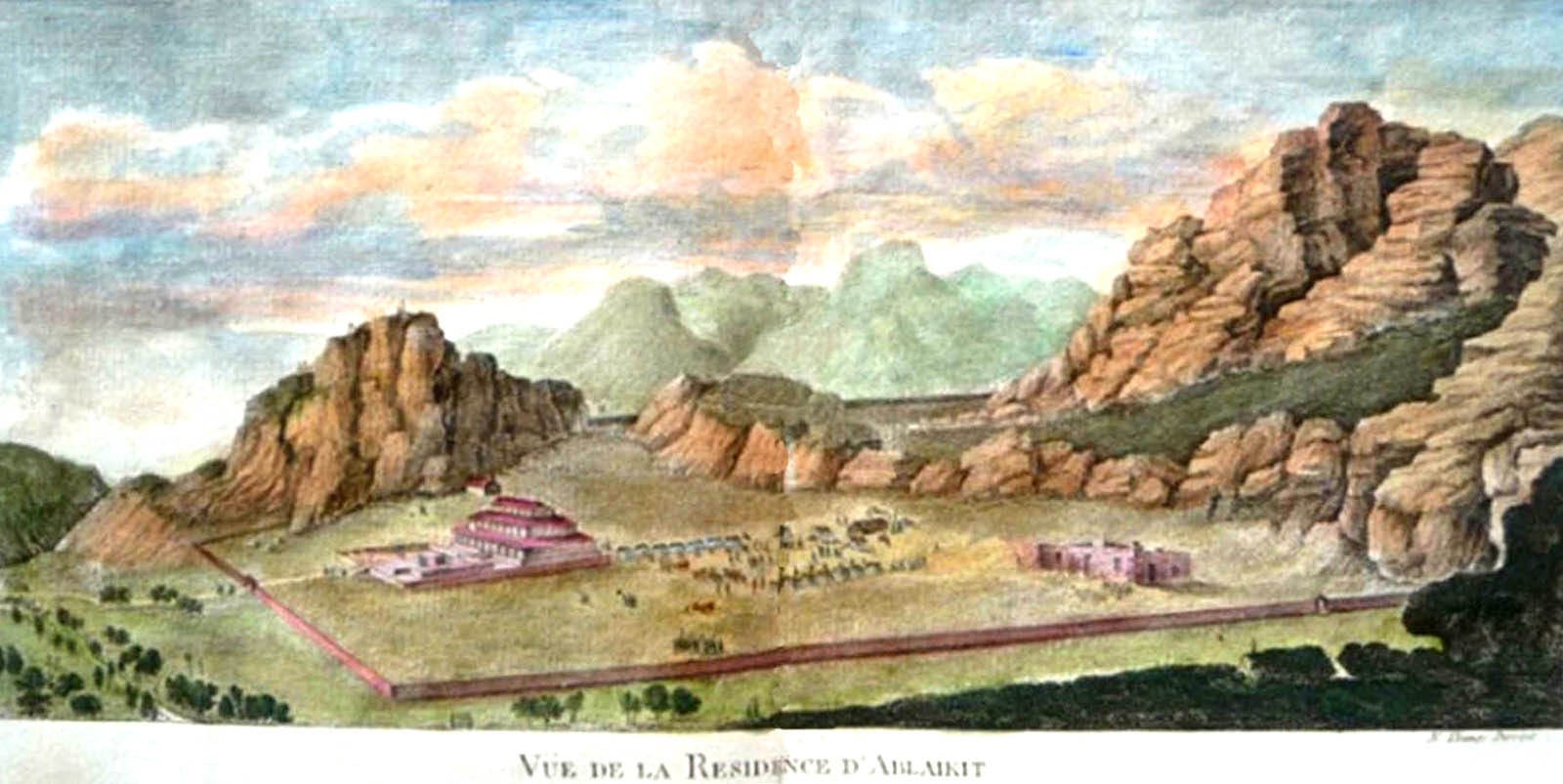
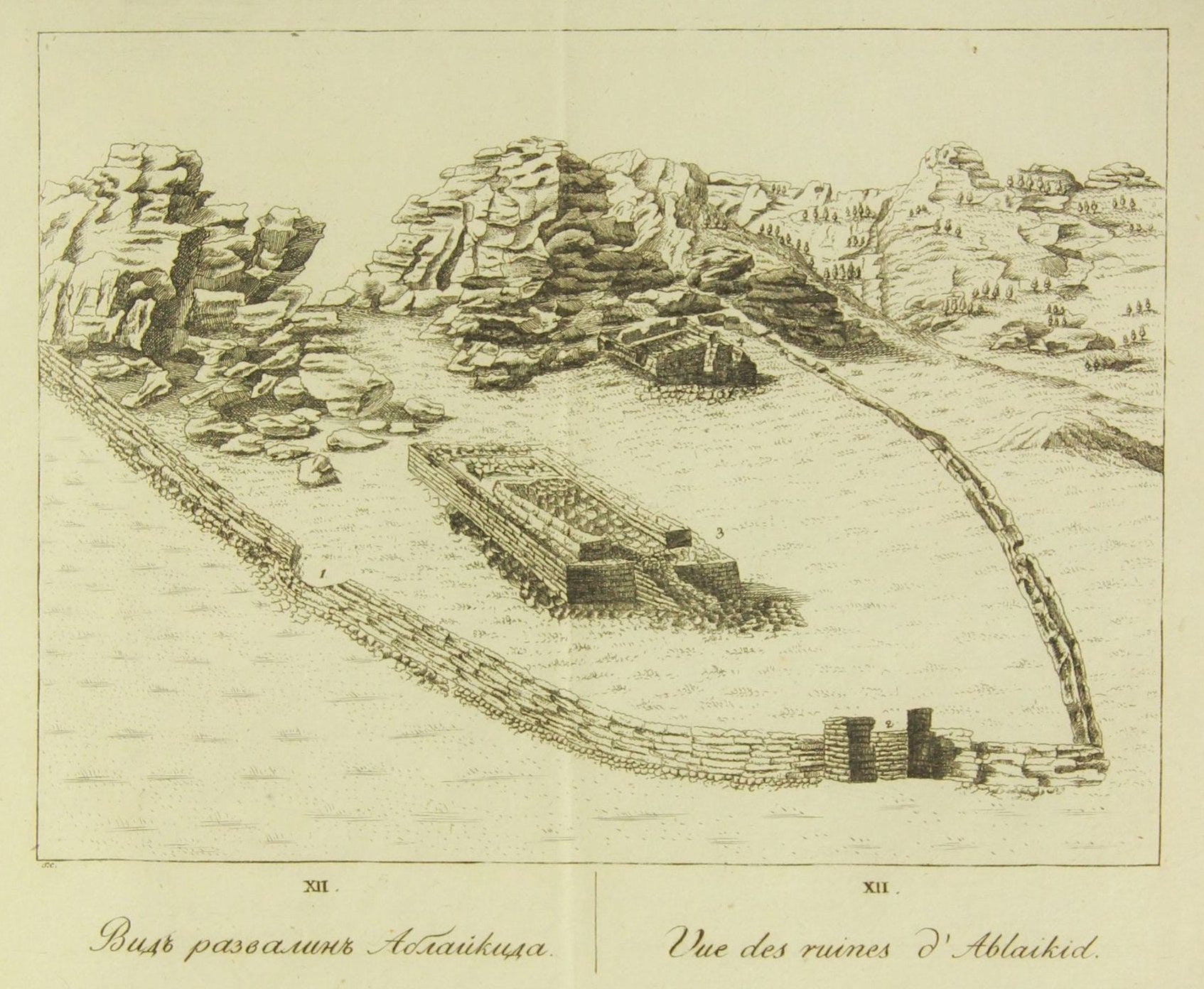
This text focuses on the ruins of a Tibetan Buddhist monastery built by the Mongolian Zungars in the 17th century. In the years after the break up of the Mongolian Empire founded by Chingis Khan and the collapse of the Mongolian Yuan Dynasty in China, the Mongols converted to Tibetan Buddhism. The Dalai Lama’s role as the theocratic leader of Tibet was itself a Mongolian invention. The Zungar Mongols were a tribal grouping made of the Oirat, or western Mongols, and in the 17th century they formed what would be the last great Mongolian empire. For a time, the Zungars reigned supreme over the steppes of modern day eastern Kazakhstan and northern Xinjiang, but their rise also coincided with the rise of the Manchu Qing Dynasty in China, and the expansion of Russia across Siberia. Pressed between these two very powerful and expansionary empires equipped with modern weapons, the Zungars were defeated and annihilated by the Qing in the 1750’s. For more on the Zungars, see Peter Purdue’s “China Marches West”.
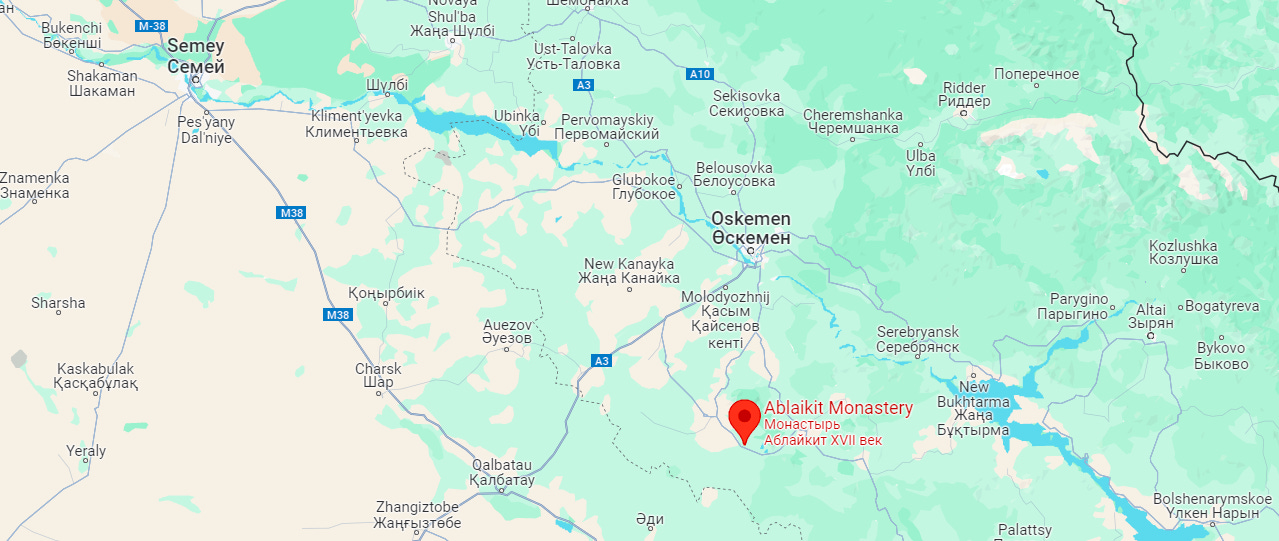
The ruins of the Ablaikit Monastery are located in eastern Kazakhstan, in the southern foothills of the Altai Mountains. The ruins are about 75 km south of Oskermen (formerly known as Ust-Kamenogorsk). This site very much aroused my curiosity. I have kept this introduction short, because I plan on researching the history of this monastery further. In a month or two I will publish my findings as an essay.